Flexible Storage & Warehouse Solutions for Your Needs
Leaving home for several months creates a long list of decisions, including what to do with vehicles, household belongings, recreational equipment, and other property that cannot simply be left behind. For military members preparing for deployment and Bothell residents planning extended travel, long-term storage can provide a practical way to keep important property in one dedicated location while away. The key is choosing storage based on what needs to be stored, how long you expect to be gone, and how much space you realistically need.
Extended absences require a different approach than storing a few boxes during a move. A deployment, temporary assignment, seasonal relocation, or months-long trip may mean you cannot easily return to reorganize belongings or move a vehicle. Planning the storage arrangement carefully before leaving can make the entire process considerably easier.
Start With Everything That Needs a Place
Before comparing storage options, create a realistic inventory. Some people initially think they need vehicle storage, only to realize that camping gear, tools, seasonal equipment, furniture, and other belongings also need somewhere to go.
For Bothell residents, moving everything into one appropriately sized rental may be simpler than arranging several smaller storage solutions. Larger storage and warehouse rental spaces can provide enough room to organize different categories of belongings without packing everything tightly together.
Think about accessibility as well as total square footage. Items that might be needed by an authorized person while you are away should remain relatively easy to reach. Property that will not be touched until you return can be positioned farther back.
A simple floor plan can help. Leave walking space where practical and group similar belongings together so someone does not have to move half the contents of the unit to reach one item.
Vehicle Storage During a Deployment or Long Trip

Vehicles create their own storage challenges. Leaving a car in a driveway or on the street for months may not be practical, especially when nobody will be regularly checking the property.
Enclosed car storage gives owners another option when a vehicle needs a dedicated location during an extended absence. Before choosing a space, confirm that the vehicle’s complete dimensions work with the available unit, including mirrors, racks, accessories, or other equipment that affects clearance.
The same planning applies to motorcycles, trailers, boats, and other recreational vehicles. Measure first rather than assuming a particular space will work.
Thunder Storage & Garage provides rental space for vehicle storage, but we are not an automotive maintenance or repair facility. Any mechanical preparation, maintenance, or service that a vehicle requires before extended storage should be completed through an appropriate service provider before it is brought to the facility.
Long-Term Storage vs. Short-Term Storage
The biggest difference between short-term and long-term storage is how carefully you need to think about organization and future access.
For a short move, belongings may only remain packed for several weeks. Boxes can sometimes be stacked with convenience taking priority over detailed organization. When you will be gone for six months, nine months, a year, or longer, that approach becomes less practical.
Long-term arrangements should account for:
- The amount of property being stored
- Vehicle dimensions and access requirements
- How belongings will be organized
- Whether someone may need access while you are gone
- Rental terms and payment arrangements
- The possibility that your return date could change
Flexible self-storage options can be particularly useful when travel dates are uncertain. Military orders change, work assignments get extended, and personal travel plans sometimes shift. A storage arrangement should fit the actual situation rather than forcing you to predict an exact return date months in advance.
Protecting Belongings From Washington Weather
Western Washington’s wet climate is another reason to think carefully about where property will sit during a lengthy absence. Months of exposure to rain, wind, falling debris, and changing temperatures can be hard on vehicles and other belongings stored outdoors.
An enclosed space creates a physical barrier between stored property and outdoor conditions. That can be especially useful for belongings you do not want sitting outside through an entire fall and winter.
Storage conditions can matter for certain sensitive belongings as well. Electronics, documents, furniture, collectibles, and similar property may require more consideration than durable tools or outdoor equipment. Our information about climate-controlled storage for long-term protection can help explain why storage conditions deserve attention when belongings will remain packed away for months.
No storage method eliminates every possible risk, so proper packing still matters. Use sturdy containers where appropriate, avoid overloading boxes, protect fragile belongings, and label containers clearly before placing them into storage.
Prepare for Access While You Are Away
One easily overlooked question is what happens if someone needs something after you leave.
Imagine being three months into a deployment or extended trip when a family member needs an important item stored in the unit. If everything was packed tightly with no labeling or organization, retrieving it could become unnecessarily difficult.
Create an inventory before departure and consider photographing the arrangement once everything is loaded. Numbering boxes and maintaining a separate list of their contents can also make locating property easier.
Important personal documents, passports, medications, irreplaceable items, and anything you may unexpectedly need while traveling generally should not disappear into the back of a storage unit. Separate belongings that should remain with you from those that can safely stay stored for the duration of the trip.
Frequently Asked Questions
What should I consider when choosing long-term storage for a deployment?
Consider what you need to store, how much space it requires, whether a vehicle is included, how belongings will be organized, and whether someone may need access while you are away.
Can I store a vehicle while I am deployed or traveling?
Vehicle storage can be useful during a deployment or extended trip. Measure the complete vehicle and confirm that the available rental space provides appropriate dimensions and access before moving it into storage.
How should I organize belongings for several months of storage?
Label containers clearly, group similar belongings together, create an inventory, and keep potentially needed items accessible. Avoid packing the space so tightly that individual belongings become difficult to retrieve.
Where is Thunder Storage & Garage located?
Thunder Storage & Garage is located in Enumclaw, Washington, and serves customers throughout the surrounding Pierce and King County areas, including Bothell.
Consider How Much Space You Actually Need
Choosing the smallest possible rental can look like the economical decision, but insufficient space can create problems. Overcrowding makes organization difficult and can leave larger belongings awkwardly positioned.
Thunder Storage & Garage offers premium 1,300- and 1,500-square-foot spaces at our Enumclaw facility. For someone coming from Bothell with a vehicle plus substantial personal property, these larger spaces may offer more flexibility than conventional small storage units.
Extra room can allow customers to separate a vehicle from boxed belongings, equipment, or furniture rather than treating the rental like a tightly packed container.
At the same time, there is no benefit in paying for significantly more room than you can use. Build an inventory, estimate the required floor space, account for large items, and discuss the intended use before selecting a rental.
Make Storage One Less Concern Before Leaving
Deployments and extended trips already involve enough logistics. Storage should be arranged early enough that you are not moving vehicles and belongings at the last minute.
Confirm your rental terms, establish reliable payment arrangements, decide who should have necessary information while you are away, and finish packing well before departure. For military members, keeping storage information with other deployment records can also make it easier for a trusted family member to find if needed.
If you live in Bothell, remember that our facility itself is located in Enumclaw. The drive should be considered when deciding whether the space fits your needs, especially if you expect someone to access the unit regularly while you are gone.
When you are preparing for deployment or an extended trip and need long-term storage for a vehicle, belongings, or both, Thunder Storage & Garage can help you determine whether our Enumclaw rental spaces fit your needs. Bothell residents who need substantial storage for months away can contact us once they know what they plan to store and how much space they require. Call Thunder Storage & Garage at (206) 984-8860 to discuss available rental options before your departure.

Business equipment can represent a substantial investment, but finding a secure and practical place to keep it is not always easy. For contractors, service providers, small-business owners, and other professionals in the Fircrest area, an equipment storage facility can provide dedicated space away from crowded garages, jobsites, offices, and other locations that may not be well-suited for valuable business property. The right storage environment can help reduce unnecessary exposure to theft while making equipment easier to organize, locate, and access when it is needed.
Storage should do more than move equipment out of sight. Businesses need to consider security, accessibility, available space, organization, and how the facility fits into daily operations. A well-chosen rental space can support both asset protection and more efficient equipment management.
Why Equipment Storage Deserves More Attention
Equipment can gradually end up scattered across multiple locations as a business grows. Some tools stay in work vehicles, larger items remain at jobsites, and less-frequently used equipment gets pushed into garages or back rooms.
That arrangement can make inventory difficult to manage. It may also leave valuable property in places that were never intended for long-term business storage.
Dedicated business storage rentals can give a company a central location for equipment that does not need to remain in a vehicle or at an active project. Centralization can make it easier to know what the business owns, where each item is located, and what needs to be prepared for an upcoming job.
Better organization also makes unusual activity easier to spot. When equipment has an established storage location, a missing item is more likely to be noticed promptly.
Storage Can Reduce Unnecessary Theft Exposure
Portable equipment is attractive to thieves because many items can be moved quickly and may have significant resale value. Leaving business property visible in an open truck bed, trailer, temporary jobsite, driveway, or unsecured work area can create avoidable exposure.
Moving equipment into dedicated storage creates another physical barrier between the property and the general public.
When comparing facilities, Fircrest business owners should ask how customer access is controlled and what security features are present on the property. Lighting, facility access procedures, individual storage-space security, and general property management all deserve consideration.
No storage provider can promise that theft will never occur. Businesses should be cautious about any claim suggesting otherwise. The objective is to choose a storage arrangement that reduces unnecessary exposure and provides a more controlled environment than leaving equipment in vulnerable locations.
Organization Is Part of Equipment Protection

Security receives much of the attention, but organization is another important part of protecting business assets.
Disorganized equipment is easier to misplace. Employees may assume an item is at another jobsite or in another vehicle, allowing a missing tool to go unnoticed. Businesses may even purchase duplicate equipment because nobody can quickly determine what is already available.
Using an equipment and tool storage area as a centralized location can support a more consistent inventory system. Frequently used items can remain accessible, while seasonal or specialized equipment can be stored separately.
Businesses can also maintain their own inventory records showing which equipment is in storage, assigned to a vehicle, or being used at a jobsite. The storage facility provides the physical space, while the company maintains responsibility for tracking and managing its property.
Accessibility Matters for Working Businesses
Highly secure storage is not especially useful if retrieving equipment creates a major disruption every morning.
Businesses should consider how often employees need stored items and what type of vehicle will be used to transport them. Contractors or service companies may need to retrieve equipment early in the day and return it after completing a project. Others may only access specialized equipment occasionally.
Drive-up or garage-style storage can be particularly useful for bulky items because it can reduce the distance equipment needs to be carried.
Think about the entire process. Can the work vehicle approach the storage area comfortably? Is there enough room to load or unload equipment? Can larger items pass through the entrance? Will commonly used equipment remain accessible after the space is filled?
These practical questions can determine whether a rental supports business operations or creates another logistical problem.
Compare Dedicated Storage With Common Alternatives
Business owners sometimes keep equipment at home because it seems convenient and inexpensive. That approach may work temporarily, but a residential garage can quickly become crowded as the company acquires more tools, supplies, and equipment.
Keeping equipment in work vehicles provides convenient access but can leave valuable property in the vehicle when it is not being used. Vehicle storage can also consume cargo capacity needed for other materials.
Jobsites present different concerns. Leaving equipment at a project may reduce transportation time, but the business has less direct control over the surrounding environment when employees are not present.
A dedicated secure storage options arrangement separates equipment storage from homes, vehicles, and temporary work locations. Businesses can then decide which items genuinely need to travel each day instead of carrying everything simply because there is nowhere else to put it.
Frequently Asked Questions
Why should businesses use a dedicated equipment storage facility?
Dedicated storage can provide a centralized location for tools, equipment, supplies, and other business property while reducing unnecessary exposure associated with leaving valuable items in vehicles, at jobsites, or in overcrowded work areas.
Can equipment storage help with inventory management?
Yes. Keeping equipment in a designated location can make it easier for businesses to establish inventory procedures, organize different categories of property, and notice when an item has not been returned.
What should I look for when storing valuable business equipment?
Consider facility security features, access procedures, available space, entrance dimensions, vehicle maneuverability, rental terms, and how easily employees can retrieve the equipment they need.
How much storage space does a business need for equipment?
The appropriate amount depends on the size and quantity of equipment, how frequently items are accessed, and anticipated growth. Businesses should leave enough room to organize and retrieve property without repeatedly moving everything in the space.
The Right Amount of Space Can Improve Inventory Control
Renting too little space can undermine the organizational benefits of professional storage. When equipment is packed tightly from wall to wall, employees may need to move several items just to retrieve one tool from the back.
Before choosing a rental, businesses should estimate how much equipment they currently have and whether that inventory is likely to increase.
Consider floor space as well as height, entrance dimensions, and clearance around larger equipment. Creating logical areas for different categories of property can make retrieval faster. For example, frequently used equipment can remain closer to the entrance while specialized or seasonal items occupy less-accessible areas.
Businesses evaluating storage and warehouse rental options should choose space based on usable capacity rather than square footage alone. A slightly larger, well-organized rental may be more functional than a smaller space that requires constant rearranging.
Establish a Consistent Equipment Routine
Storage works best when employees follow a predictable process.
A business can designate where specific categories of equipment belong and establish procedures for removing and returning valuable items. Inventory numbers, sign-out records, or other internal tracking methods can help management know when equipment leaves storage and who is using it.
The storage provider does not replace a company’s own asset-management procedures. Instead, dedicated space can make those procedures easier to maintain.
This distinction becomes increasingly important as a business grows. A small company may initially know where every tool is simply because only a few employees use them. Once additional crews, vehicles, and projects are involved, informal tracking becomes less reliable.
When Should a Business Consider Dedicated Equipment Storage?
Several signs can indicate that the current storage arrangement is no longer working.
Equipment that routinely stays in vehicles overnight, valuable tools scattered among multiple locations, overcrowded business premises, difficulty locating items, and an inability to keep accurate inventory are all reasons to reconsider how property is stored.
Growing businesses may also need additional space before they need a larger office, shop, or commercial building. Renting dedicated storage can address the immediate space requirement without forcing the company to acquire more operational real estate solely for equipment.
The key is selecting storage based on the company’s actual workflow. Consider what will be stored, how frequently it will be accessed, who needs access, and how items will move between the storage space and active jobs.
Give Business Equipment a Dedicated Place
Valuable business property should not be shuffled between vehicles, garages, and jobsites simply because there is no designated place for it. Centralized storage can help reduce unnecessary theft exposure, improve organization, support inventory management, and make it easier for employees to locate the equipment required for each project.
If your Fircrest-area business has outgrown its current storage arrangement and you are looking for an equipment storage facility with space for tools, equipment, supplies, or other business property, call Thunder Storage & Garage at (206) 984-8860 to discuss available rental options and find storage that better supports your operation.
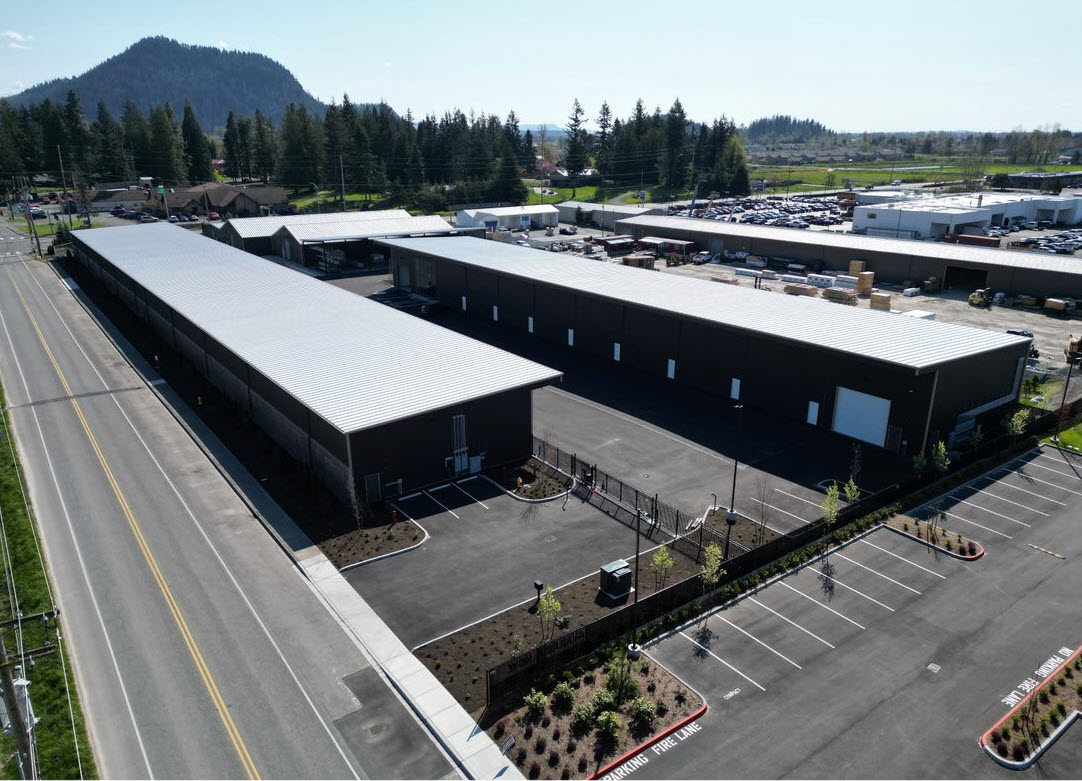
For customers in Medina who need extra space without adding unnecessary complications, drive up storage units offer a practical combination of accessibility and flexibility. Instead of carrying belongings through hallways, navigating elevators, or moving equipment across a large facility, renters can bring a vehicle directly to their storage space. That convenience can be especially valuable for business owners, RV owners, contractors, and customers storing equipment or bulky belongings they expect to access regularly.
Storage needs have changed considerably for many households and businesses. People are not always looking for a place to put boxes and forget about them for a year. They may need functional space that serves as an extension of a garage, business, workshop, or equipment-storage area. Drive-up access helps make that possible.
What Makes Drive-Up Storage Different?
The defining feature is straightforward: customers can drive directly up to or very near their rented space. That seemingly simple difference can change the entire experience of loading, unloading, organizing, and retrieving stored belongings.
Traditional indoor storage may work well for smaller household goods, but larger items can become difficult to transport through narrow corridors or doorways. With garage storage rentals, customers looking for more functional space can focus on whether the dimensions and access work for the items they actually need to store.
Drive-up accessibility can also reduce the number of times an item needs to be handled. Instead of unloading equipment from a truck onto a cart, moving the cart through a building, and unloading it again, customers can often transfer belongings directly between their vehicle and storage space.
For heavy, awkward, or frequently used items, that difference matters.
Businesses Need Storage That Works With Their Schedule
Small businesses often accumulate more inventory, equipment, supplies, records, displays, tools, and materials than their primary location can comfortably accommodate. Renting a larger commercial property solely to gain storage space may not make financial sense.
Drive-up storage can provide an alternative.
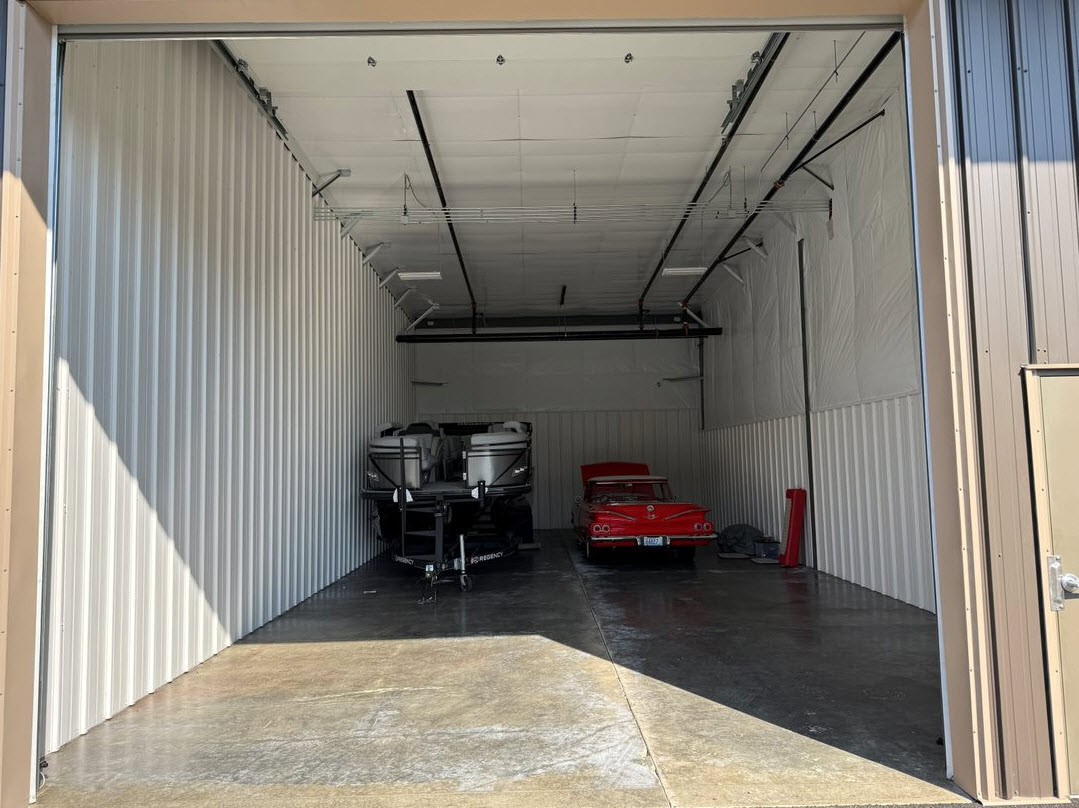
A Medina-area business might use rented space for seasonal inventory, event materials, equipment, packaged products, promotional displays, or supplies that do not need to occupy valuable office or retail space every day.
Convenient access is particularly useful when items move in and out of storage regularly. Business owners comparing business storage and warehouse rental options should consider how frequently employees will need stored materials and how easily those materials can be loaded into a work vehicle.
The right storage arrangement can become part of the company’s normal workflow rather than simply functioning as overflow space.
Contractors and Equipment Owners Have Different Priorities
Not every storage customer is putting away furniture or household boxes. Contractors, landscapers, tradespeople, and other professionals may need room for equipment, materials, or business property that is cumbersome to move.
For these renters, accessibility may be just as important as square footage.
Imagine needing a bulky piece of equipment stored at the back of an indoor facility. Even when the storage space itself is large enough, reaching it could involve multiple doors, carts, elevators, or tight corners. Drive-up access eliminates many of those obstacles.
Customers should still verify the dimensions of the rental space and determine whether their equipment can be safely moved through the entrance. Door width, ceiling height, approach space, and room around stored items can all influence whether a particular unit is practical.
RV Owners Often Need More Than Parking Space
RV ownership comes with a surprising amount of additional gear. Outdoor furniture, camping supplies, portable equipment, tools, recreational items, seasonal accessories, and other belongings can quickly overwhelm a home garage.
Storage space can help keep those items organized between trips.
Depending on the available rental configuration and facility policies, RV owners may also need space for belongings associated with their recreational vehicles rather than the RV itself. Customers searching for RV and recreational storage options should confirm exactly what can be accommodated before renting.
Thunder Storage & Garage provides rental space rather than RV maintenance or repair services. Customers who need mechanical work, servicing, winterization, or repairs should use an appropriate RV service provider.
That distinction is important because the purpose of a storage rental is to give customers usable space for their property and personal or business projects.
Drive-Up Access Can Save Considerable Time
Convenience is difficult to quantify until storage is used regularly.
A renter who accesses a space once or twice a year may not care much about the distance between a parking area and the storage-unit door. Someone retrieving business supplies twice a week probably will.
Every additional loading step takes time. Heavy or awkward items can also increase the physical effort required to move belongings through a conventional indoor-storage environment.
Drive-up access can simplify:
- Loading and unloading bulky belongings
- Rotating seasonal business inventory
- Retrieving tools or equipment
- Organizing recreational gear
- Moving household property
- Storing supplies for personal or business projects
For frequent-access customers, these advantages can make the storage space significantly more useful.
Compare More Than the Monthly Rental Rate
Price naturally matters when choosing storage, but the lowest monthly rate does not automatically provide the best overall value.
Consider how the space will be used. A business owner who spends additional employee time moving materials through a less-convenient facility may discover that a small difference in rent is outweighed by lost time. Someone storing large equipment may find that an inexpensive unit is effectively unusable because the entrance or approach is too tight.
Customers should compare usable dimensions, accessibility, rental terms, location, security considerations, and how easily their vehicles can approach the space.
The goal is not simply to rent square footage. It is to rent square footage that works.
Frequently Asked Questions
What are drive-up storage units?
Drive-up storage units are rental spaces designed so customers can bring a vehicle directly to or near the storage entrance, making it easier to load and unload bulky, heavy, or frequently used belongings.
Are drive-up storage units useful for businesses?
They can be especially practical for businesses storing inventory, equipment, supplies, displays, materials, or other property that employees need to retrieve regularly.
What should I consider before renting storage for equipment?
Measure the equipment and compare those measurements with the storage-space dimensions, entrance width, ceiling height, and available approach area. Consider how frequently the equipment will need to be retrieved as well.
Can RV owners benefit from additional storage space?
Yes. RV owners often need additional room for camping gear, outdoor furniture, recreational equipment, tools, seasonal accessories, and other belongings associated with their RV and travel activities.
Space Can Also Help Solve Problems at Home
Drive-up storage is not limited to commercial customers. Medina residents may need additional room while moving, downsizing, renovating, reorganizing a garage, managing an estate, or simply reclaiming space at home.
Garage-style storage can be particularly useful for belongings that are too large or inconvenient for a traditional indoor-storage setup. Customers may also appreciate having room to organize items rather than stacking everything into the smallest possible unit.
A thoughtfully organized personal storage space can make frequently needed belongings easier to retrieve without repeatedly moving boxes, equipment, or furniture out of the way.
For longer-term storage, renters should think about future access before filling the space. Items that will be needed regularly should remain accessible, while belongings that are unlikely to be retrieved soon can generally be positioned farther back.
Know What You Need Before Renting
Before selecting storage, make a basic inventory of what will be placed inside. Measure oversized equipment, shelving, recreational gear, furniture, or other large belongings rather than estimating.
Consider the vehicle you will use to transport those items as well. A storage space may have sufficient interior dimensions but still be inconvenient if the approach does not provide enough room for a truck, trailer, or other vehicle.
Businesses should also consider whether their storage requirements could increase seasonally. Renting a space that barely accommodates current inventory may create another space problem when demand increases.
Asking these questions beforehand can prevent the inconvenience of moving everything twice because the first rental was not suitable.
Choose Storage Based on How You Will Actually Use It
The growing appeal of drive-up storage comes down to functionality. People want storage that is easy to reach, practical to organize, and suited to belongings that may be large, heavy, or frequently accessed.
For businesses, that can mean quicker access to supplies and equipment. For RV owners, it can provide additional room for recreational gear. For homeowners, it can free up valuable garage or household space. For customers with equipment, direct vehicle access can eliminate unnecessary handling.
If you are searching for drive up storage units in the Medina area and need convenient space for business property, RV-related gear, equipment, household belongings, or personal projects, call Thunder Storage & Garage at (206) 984-8860 to discuss available rental space and determine whether the available options fit your storage needs.
Searching for boat storage near me is often the first step when keeping a boat at home becomes inconvenient, takes up too much usable space, or leaves the vessel exposed to unnecessary risk. For boat owners around Buckley, choosing a storage facility involves more than finding an available space with a monthly rate that fits the budget. Security, access, maneuverability, storage-space dimensions, and seasonal convenience can all affect how practical the facility will be throughout the year.
A boat is a significant investment, and the place where it spends weeks or months between outings deserves careful consideration. Before signing a rental agreement, boat owners should look closely at how a facility operates and whether the available storage space actually matches the size of the boat, trailer, and tow vehicle.
Start With the Right Amount of Storage Space
Boat dimensions can be deceptive when planning for storage. The vessel itself may fit comfortably within a particular space, but the trailer, hitch, motor, swim platform, tower, or other equipment can increase the total length or height considerably.
Measure the complete boat-and-trailer combination before comparing storage options. Width matters as well, particularly when navigating entrances or positioning a trailer inside a garage-style storage space. Owners with taller boats should confirm available clearance rather than relying on general storage-unit dimensions.
Choosing the right garage storage rentals can provide additional room for boating equipment, covers, life jackets, fishing supplies, and other belongings that owners may prefer to keep together. Adequate clearance also reduces the frustration of repeatedly maneuvering a trailer into an overly tight space.
Look Closely at Facility Security
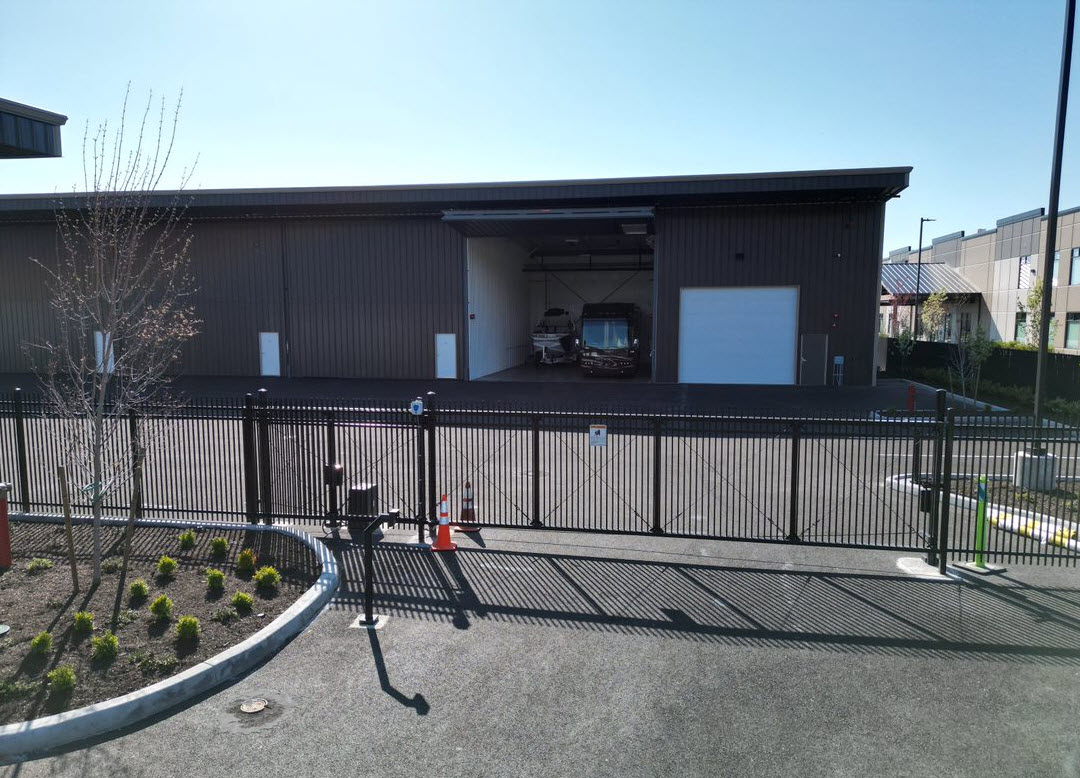
Security should be high on the list when evaluating boat storage. While no facility can guarantee that theft or property damage will never occur, certain features can provide a more controlled storage environment.
Ask how access to the property is managed and whether entry is limited to renters or authorized visitors. Lighting is another consideration, especially for customers who may retrieve or return their boats during early-morning or evening hours. The overall condition and management of the property can also indicate how seriously a facility approaches security.
Enclosed storage can add another layer of separation between a boat and outside activity. It can also help limit exposure to weather, debris, and casual visibility. Customers comparing secure storage options should consider the complete storage environment rather than making a decision based on a single security feature.
Access Matters More Than You Might Expect
A storage facility can have plenty of space and appealing features but still become inconvenient if access does not match the owner’s schedule.
Boating often involves early departures, late returns, weekends, and changing plans based on Washington weather. Before renting, find out when customers can access their storage spaces and whether those hours work with typical boating routines.
Location also plays a role. For someone in Buckley, a reasonably convenient storage facility can make spontaneous outings easier and reduce the amount of extra driving required every time the boat is used.
Consider how often you expect to retrieve the boat. Seasonal storage customers may prioritize different features than owners who use their boats regularly throughout spring and summer. The best arrangement is one that fits how the boat is actually used, rather than how often the owner initially expects to use it.
Do Not Overlook Maneuverability
One of the most important considerations for trailerable boats is how easily they can be moved around the property.
A wide storage space does not necessarily mean the facility is easy to navigate. Drive aisles, turning areas, entrances, neighboring spaces, and the approach to the rental area all affect maneuverability. Longer boat trailers require additional room to straighten out before backing into a space.
When touring a potential facility, imagine arriving with the boat attached to your normal tow vehicle. Look at the turns you would need to make and the amount of clearance available.
This is particularly valuable for customers considering storage for trailers and recreational equipment because adequate maneuvering room can make every pickup and return less stressful. A facility that works well on foot may feel very different from behind the wheel of a truck towing a long trailer.
Enclosed Storage vs. Outdoor Storage
Boat owners may encounter several storage configurations, and understanding the differences can help narrow the search.
Outdoor storage can provide straightforward parking for boats and trailers, but the vessel remains exposed to rain, wind, sunlight, falling debris, temperature changes, and other outdoor conditions. Proper boat covers can reduce some exposure, but they do not create the same environment as enclosed storage.
Garage-style or enclosed storage provides physical separation from outdoor conditions. It may be particularly appealing for owners who want to keep boating gear with the vessel or who prefer not to leave their boat continuously exposed between trips.
The better choice depends on the boat’s dimensions, frequency of use, budget, and the owner’s priorities. Instead of comparing prices alone, consider what is included in the storage arrangement and how those features affect convenience over the entire rental period.
Think Beyond Summer Boating
Storage needs often become more noticeable when the boating season slows down. Washington’s wetter, colder months can make driveway or outdoor storage less appealing, while boats that are used infrequently may occupy valuable garage or parking space for months.
Seasonal planning can also prevent a last-minute search for available storage when other boat owners have the same idea. If you already know that the boat will spend much of fall or winter unused, arranging storage earlier can provide more time to evaluate available spaces carefully.
Boat owners should remember that a storage facility is providing space rather than maintenance or repair. Mechanical preparation, winterization, servicing, and repairs should be handled separately by appropriate marine professionals when needed.
Frequently Asked Questions
What should I look for when choosing boat storage?
Consider the total space available, security features, customer access, trailer maneuverability, entry clearance, rental terms, and how convenient the facility will be during the months you expect to use your boat.
How do I know what size storage space my boat needs?
Measure the full boat-and-trailer combination, including the hitch, motor, swim platform, tower, and other equipment that affects overall length, width, or height. Confirm these measurements against the actual storage-space dimensions and entry clearance.
Why is maneuverability important for boat storage?
Boats on trailers require sufficient room for turning, straightening, backing, and pulling forward. Wide drive aisles and adequate approach space can make retrieving and returning a boat considerably easier.
Is enclosed storage useful during Washington winters?
Enclosed storage can reduce a boat’s direct exposure to rain, wind, falling debris, sunlight, and other outdoor conditions. Boat owners should still arrange any necessary winterization, mechanical service, or repairs with qualified marine professionals.
Consider Storage for More Than the Boat
Boating equipment has a way of spreading into garages, sheds, vehicles, and other areas of the property. Ropes, removable seats, water-sports equipment, fishing gear, coolers, covers, and other supplies may require substantial room even when the boat itself is stored elsewhere.
Depending on the rental arrangement and available space, keeping related belongings together can simplify preparation for the next outing. Customers who also need room for business supplies, household belongings, or personal projects may find storage and warehouse rental options useful when evaluating their broader space requirements.
Before placing additional items with a boat, confirm what the rental agreement permits and make sure everything fits without creating obstacles around the vessel or trailer.
Questions to Ask Before Renting Boat Storage
Before committing to a storage space, confirm the full dimensions, access policies, rental terms, and any rules that apply to boats or trailers. Ask whether you can view the available space before renting. Seeing the approach, entry clearance, and surrounding area firsthand can answer questions that measurements alone cannot.
Price matters, but convenience has value too. A slightly different storage option may make sense if it provides better clearance, easier access, or a configuration that more comfortably accommodates the complete boat-and-trailer setup.
For Buckley boat owners, the goal should be finding storage that remains practical throughout the rental period, not simply securing the first available space.
Find Boat Storage That Fits Your Needs
When you are searching for boat storage near me in the Buckley area, take time to evaluate space, security, access, maneuverability, and seasonal convenience before making your decision. If your boat and trailer are taking over your driveway or garage and you are ready for dedicated storage space, call Thunder Storage & Garage at (206) 984-8860 to discuss available rental options and find a space that fits your storage needs.

Finding enough room for vehicles, equipment, inventory, or a personal project can become difficult long before renting a traditional commercial property makes sense. Our 1,300-square-foot premium storage units at Thunder Storage & Garage provide a practical middle ground. They offer substantially more usable space than conventional self-storage while remaining manageable for customers who do not need an oversized warehouse. For smaller operations, vehicle storage, commercial projects, and personal workshops, this unit size offers room to work without paying for space that may sit unused.
Why 1,300 Square Feet Can Be the Right Amount of Space
Storage needs are rarely limited to boxes. A contractor may need room for tools, materials, and equipment. A small business might need inventory storage along with an area for organizing orders. Vehicle owners may want protected space for cars, motorcycles, recreational vehicles, or restoration projects. Hobbyists often need enough room to spread out without turning their home garage into a permanent work zone.
At approximately 1,300 square feet, these units provide enough room to separate storage from active workspace. Instead of packing everything tightly together, customers can create designated areas for equipment, shelving, vehicles, supplies, or project materials. That flexibility is one reason larger storage and warehouse spaces can be a better fit when standard self-storage no longer meets the customer’s needs.
A Practical Option for Smaller Business Operations

Small businesses often reach an awkward stage where working from home is no longer practical, but leasing a large commercial building would create unnecessary overhead. A 1,300-square-foot unit can help bridge that gap.
Depending on the business and permitted use, the space can accommodate inventory, tools, supplies, equipment, materials, or project staging. Keeping business-related items in one dedicated location can also make day-to-day operations more organized. Instead of spreading supplies between a home garage, trailer, shed, and multiple small storage units, customers can consolidate what they need into a single space.
For businesses evaluating commercial storage solutions, the ability to choose an appropriately sized unit can be just as valuable as having more square footage. Renting significantly more space than necessary increases overhead, while renting too little can create congestion and make accessing stored items frustrating.
Vehicle Storage With Room Around the Vehicle
A vehicle can technically fit inside many storage spaces, but simply fitting through the door is not the same as having useful storage. Customers may need room to walk around the vehicle, open doors, store accessories, keep seasonal equipment nearby, or accommodate more than one vehicle depending on size and layout.
Our 1,300-square-foot units give vehicle owners considerably more flexibility than a typical garage-sized storage unit. They can be useful for collector cars, motorcycles, recreational vehicles, work vehicles, or other personally owned vehicles that customers want to keep out of their residential garage.
The extra room can also make organization easier. Rather than stacking vehicle-related belongings wherever they fit, customers can establish separate areas for stored parts, accessories, tools, or other property. Anyone comparing vehicle storage options should consider not only whether the vehicle fits, but also how much usable space will remain once it is parked.
Personal Workshops Without Taking Over the House
Projects have a way of expanding. A woodworking project, vehicle project, fabrication hobby, collection, or other hands-on activity may begin in a corner of the garage and eventually occupy nearly every available surface.
A dedicated 1,300-square-foot unit gives customers an alternative to sacrificing their home garage or constantly setting up and breaking down a project area. The space can accommodate work areas along with storage for materials and equipment, creating a more functional environment for personal projects.
This can be especially useful for projects that take weeks or months to complete. Instead of clearing everything away whenever the household needs the garage, customers can maintain a dedicated project space.
Thunder Storage & Garage is not an automotive maintenance or repair facility, and we do not provide vehicle repair or maintenance services. Our units are rental spaces for customers using them for their own storage needs and qualifying personal or business projects.
1,300-Square-Foot Unit vs. Traditional Self-Storage
Traditional self-storage works well when the primary goal is keeping household belongings, seasonal decorations, furniture, or boxed items somewhere outside the home. A 1,300-square-foot unit serves a different type of need.
The difference is not simply additional floor space. Larger units allow customers to think about how they will use the space rather than how tightly they can pack it. There may be room for aisles, shelving, organized inventory areas, vehicles, equipment, and active project space.
A smaller storage unit can be economical when everything will remain packed until it is needed. When customers need regular access, organization, maneuvering room, or space for a project, the larger footprint can provide greater day-to-day usefulness.
Organization Can Make 1,300 Square Feet Work Even Harder
Having more room does not automatically make a storage space efficient. Planning the layout before moving everything inside can make a significant difference.
Frequently accessed items should remain easy to reach, while long-term storage can occupy less convenient areas. Shelving and clearly defined zones can help separate inventory, tools, equipment, vehicle space, and personal belongings. Leaving adequate pathways also reduces the need to move several items simply to reach one thing.
Customers considering workshop and project storage should think about their expected workflow before choosing a unit. A little extra open floor space may be more useful than filling every available square foot.
Frequently Asked Questions
What can a 1,300-square-foot storage unit be used for?
A 1,300-square-foot unit can be suitable for vehicle storage, business inventory, equipment, supplies, personal belongings, and approved commercial or personal workshop projects.
Are 1,300-square-foot units suitable for small businesses?
They can be a practical option for smaller operations that need space for inventory, tools, equipment, materials, or project organization without renting a much larger commercial property.
Can I use a 1,300-square-foot unit for vehicle storage?
These larger units can provide useful space for vehicle storage while leaving additional room for related belongings, equipment, or organization, depending on the size and number of vehicles.
Does Thunder Storage & Garage provide automotive repair services?
No. Thunder Storage & Garage is not an automotive repair facility and does not provide vehicle maintenance or repair. The units are rental spaces for customers’ storage needs and qualifying personal or business projects.
When Does Moving Into a Larger Unit Make Sense?
A larger storage unit becomes worth considering when limited space starts interfering with how belongings or equipment are used. Warning signs include constantly rearranging items, storing property in several locations, being unable to reach frequently needed equipment, or losing usable space at home because storage has spilled into garages and other rooms.
Business customers may reach the same point when inventory or equipment begins crowding their existing storage area. Consolidating into a larger unit can reduce unnecessary movement between locations and provide a clearer picture of what is actually on hand.
Choosing sufficient space from the beginning can also help prevent the inconvenience and potential expense of relocating everything shortly after move-in because the original unit was too small.
Why Customers Choose Thunder Storage & Garage
Customers looking for more than a conventional storage locker often want flexibility. They may have a growing collection, a business that needs additional storage capacity, vehicles taking up valuable room at home, or a personal project that deserves its own dedicated space.
Our 1,300-square-foot units are designed to serve those more substantial storage needs. They offer enough room to organize belongings instead of simply stacking them, while providing a versatile footprint for a variety of approved personal and commercial uses.
That versatility is particularly valuable when storage needs change. A space initially used primarily for inventory, for example, may later need to accommodate additional equipment. A unit rented for vehicle storage may also provide useful room for related belongings. Customers have the freedom to organize their rented space around their actual needs.
Find the Right Amount of Space for Your Needs
Choosing storage should involve more than estimating how many boxes will fit inside. Consider what you plan to store, how often you will access it, whether vehicles or large equipment need maneuvering room, and whether you need open space for personal or business projects. The right unit should make your belongings easier to manage, not simply give you another place to put them.
If your current garage, storage unit, or business space is becoming crowded and you are ready to consider 1,300-square-foot premium storage units, call Thunder Storage & Garage at (206) 984-8860 to discuss availability and whether this unit size is a good match for your storage or project needs in Washington.

Motorcycle season in the Pacific Northwest does not end on the same date for every rider, but Washington’s long stretches of rain eventually make regular riding less appealing for many owners. Once a motorcycle will spend more time parked than on the road, motorcycle storage becomes an important consideration. Dedicated indoor space can offer riders in Orting, Puyallup, Bonney Lake, and throughout the surrounding PNW a practical alternative to leaving a motorcycle outdoors, under cover, or squeezed into a garage already used for vehicles and household belongings.
Washington Weather Creates a Different Storage Challenge
Motorcycles take up less room than cars, but their smaller footprint does not mean they are easy to store properly. A bike parked outside is exposed to rain, wind, falling leaves, debris, temperature changes, and persistent Pacific Northwest moisture.
Washington’s wet season can extend through a substantial portion of the year. Even days without heavy rain may bring damp conditions, condensation, and limited opportunities for surfaces to dry completely. A motorcycle that is not being ridden regularly can spend weeks sitting in those conditions.
For riders who do not have adequate space at home, indoor vehicle storage offers an alternative to relying on outdoor parking throughout the rainy months. Enclosed storage places the motorcycle inside a dedicated space and frees riders from repeatedly checking outdoor covers after windstorms or prolonged rainfall.
Why a Motorcycle Cover Is Not the Same as Indoor Storage

A quality motorcycle cover has a purpose, especially for short-term outdoor parking. It is not the same environment as storing a motorcycle inside.
Outdoor covers remain exposed to weather. Wind can shift them, debris can collect around them, and moisture may still become a concern depending on conditions and how the cover is used. Riders also have to find a suitable location where the motorcycle can remain parked for an extended period.
Indoor storage removes direct exposure to rainfall and gives the motorcycle a more protected place to sit during periods of limited use. It can be particularly attractive for owners of specialty motorcycles, touring bikes, custom bikes, or motorcycles they simply do not want sitting outside for months.
Storage does not replace appropriate motorcycle care. Thunder Storage & Garage does not provide motorcycle maintenance or repair services. Riders remain responsible for arranging any professional mechanical work their motorcycles require.
Home Garages Fill Up Quickly During the Wet Season
The motorcycle may technically fit in your garage, but that does not necessarily mean the arrangement works well.
During summer, homeowners often have more flexibility because outdoor equipment, recreational items, and vehicles are regularly moving in and out. Once fall and winter arrive, more belongings tend to migrate indoors. Patio items, lawn equipment, seasonal decorations, sports gear, tools, and household storage can begin competing for the same floor space.
Add cars that owners want protected from winter weather, and a motorcycle can become an obstacle rather than a neatly stored vehicle.
Riders considering garage rental can use dedicated rental space for appropriate storage needs instead of reorganizing their home garage every time they need access to something behind the bike.
Motorcycle Storage Deserves Its Own Plan
It is easy to group motorcycles with boats, ATVs, recreational vehicles, and other seasonal equipment. Motorcycles have different storage requirements because of their size, accessibility, value, and how riders use them.
Some Washington riders stop riding almost entirely during the wettest months. Others may want their motorcycle available whenever a dry weekend appears. Those two situations call for different approaches to storage.
A rider putting a bike away for several months may prioritize a dedicated space where it can remain undisturbed. Someone who expects occasional winter rides should think carefully about accessibility and how easily the motorcycle can be moved in and out.
That is why motorcycle storage should be considered on its own rather than treated as a generic recreational-storage decision.
How Much Storage Space Does a Motorcycle Need?
The motorcycle itself may occupy relatively little floor space, but dimensions are only the starting point. Riders need enough clearance to move the bike safely and access anything stored alongside it.
Touring motorcycles with saddlebags or other accessories can require considerably more width than smaller bikes. Owners may also need room for riding gear, helmets, covers, luggage, stands, or other motorcycle-related belongings.
Before choosing storage, measure the motorcycle at its widest and longest points. Consider how you will maneuver it through the entrance and position it inside the space. A unit that looks generous on paper can feel much smaller once additional belongings are added.
Using storage space for vehicles can also allow riders to keep appropriate motorcycle-related property together instead of scattering gear between a closet, basement, shed, and home garage.
Indoor Storage Can Free Up Valuable Space at Home
Moving a motorcycle into seasonal storage can solve more than one problem. The square footage it occupied at home becomes available for another vehicle, household storage, winter equipment, or projects.
This can be especially useful for households with two or more motorcycles. A single bike can often be tucked into a corner. Multiple motorcycles require a more deliberate arrangement, particularly when cars also need garage space.
For riders around Puyallup and Bonney Lake, the decision may come down to which vehicles will actually be used most frequently during Washington’s rainiest months. Keeping motorcycles elsewhere temporarily can make the home garage much easier to navigate.
When Should You Arrange Wet-Season Storage?
There is no universal date when Washington riders put their motorcycles away. Some continue riding well into fall or throughout winter, while others scale back once consistent rain returns.
Instead of choosing a date based on the calendar, consider your actual riding habits. If the motorcycle has remained parked for several weeks and you do not expect to ride regularly again until spring, seasonal storage may make sense.
Planning before you urgently need space also gives you time to compare options. Riders seeking seasonal vehicle storage can determine how much room they need and what they want to store with the motorcycle rather than making a rushed decision after wet weather has already settled in.
Frequently Asked Questions
When should I put my motorcycle into storage in Washington?
There is no single date that works for every rider. Consider storage when wet weather significantly reduces how often you ride and the motorcycle is likely to remain parked for weeks or months.
Why choose indoor motorcycle storage instead of using a cover?
Indoor storage keeps the motorcycle out of direct rain, wind, and falling outdoor debris. A cover can be useful for temporary protection, but it does not create the same enclosed storage environment.
How much storage space do I need for a motorcycle?
Measure the motorcycle’s full length and width, including saddlebags and accessories. Allow additional clearance for safely moving the bike and storing appropriate riding gear or motorcycle-related belongings.
Does Thunder Storage & Garage maintain motorcycles in storage?
No. Thunder Storage & Garage provides storage and garage rental space and is not a motorcycle maintenance or repair facility. Owners are responsible for arranging any mechanical service their motorcycles require.
Know What You Need Before Choosing a Space
Think beyond simply asking whether the motorcycle fits. Consider how long you expect to store it, how often you may want access, and whether you have motorcycle gear or other appropriate belongings that need space as well.
Owners should also understand exactly what a storage facility provides. Thunder Storage & Garage offers storage and garage rentals for customers’ storage needs and appropriate personal or business projects. We are not an automotive or motorcycle repair facility and do not provide maintenance or mechanical services.
If your motorcycle needs servicing before or after its time in storage, that work should be handled separately by an appropriate motorcycle professional.
Give Your Motorcycle a Place Out of the Rain
Washington riders know that a sunny summer afternoon and a rainy November morning can make motorcycle ownership feel like two completely different experiences. When wet-season riding becomes occasional or stops altogether, leaving valuable garage space and outdoor parking arrangements to chance may not be the best fit. If you need motorcycle storage near Orting, Puyallup, Bonney Lake, or elsewhere in the surrounding PNW because your bike will be parked for an extended period, call Thunder Storage & Garage at (206) 984-8860 to discuss available indoor storage and garage rental options.

Selling one home and moving into another rarely happens on a perfectly coordinated schedule. A closing gets pushed back, new construction takes longer than expected, or buyers need possession before their next home is ready. When those dates do not line up, moving storage provides a practical place to keep furniture, household belongings, and other property during the transition. For families throughout the Orting, Puyallup, Bonney Lake, and surrounding Washington areas, having storage arranged ahead of time can prevent an already-complicated move from turning into a last-minute scramble.
Why Gaps Between Homes Are So Common
Real estate transactions involve several schedules that can change independently. Your buyer may need to take possession on a specific date, while the closing on your next home happens days or weeks later. An inspection issue, financing delay, appraisal concern, or paperwork problem can also shift a closing unexpectedly.
New construction introduces even more variables. A projected completion date can change because of inspections, materials, subcontractor scheduling, or other construction delays. Homeowners who are remodeling before moving in can face similar timing problems.
Temporary household storage solutions can provide flexibility when circumstances outside your control change the moving calendar. Instead of trying to force two transactions to happen at exactly the right time, you have somewhere to keep your belongings while housing arrangements are finalized.
What Happens When You Have to Leave Before Closing?
Imagine your home in Puyallup sells and the buyer takes possession on Friday, but you cannot move into your next house until the following Wednesday. Your belongings need somewhere to go for those five days.
Some families initially assume they can keep everything loaded in a moving truck. That arrangement may be possible in certain situations, but it can become expensive or inconvenient when delays stretch longer than expected. You may also need access to belongings before the next property becomes available.
A dedicated storage space allows you to unload household property and retrieve items as needed. You can then coordinate the final move once you have possession of the new home rather than making housing decisions based solely on where your furniture will go.
Moving Storage Can Help With Longer Construction Delays
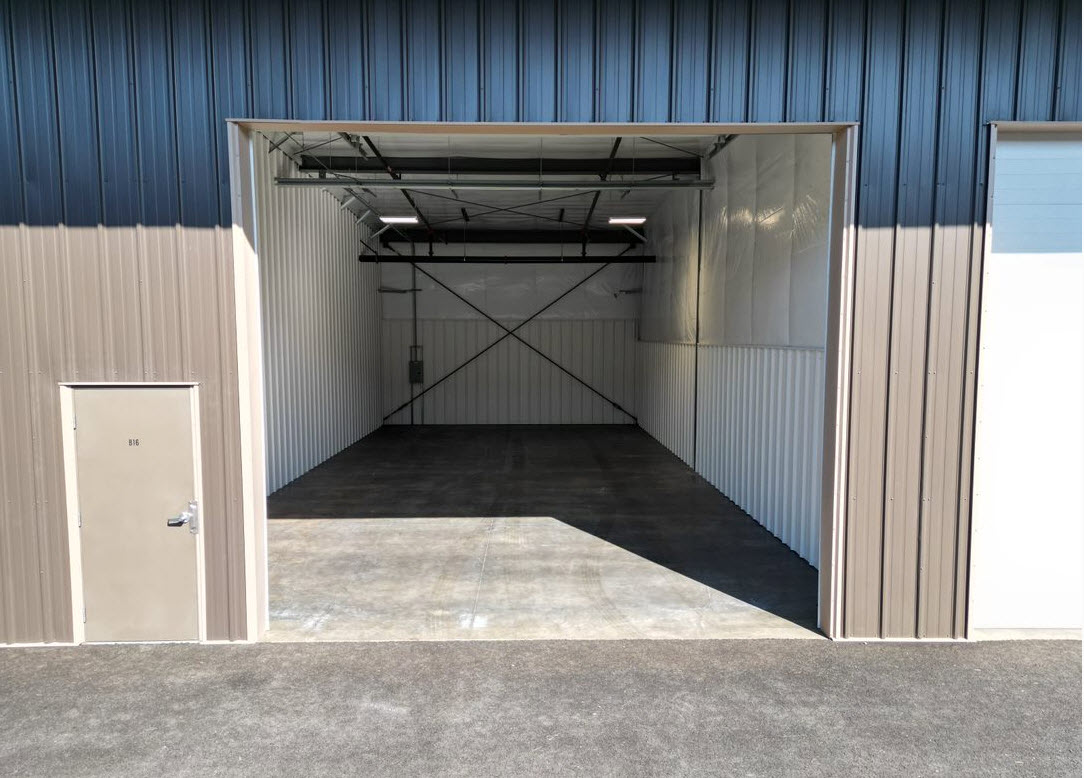
A few days between closings is one problem. A construction delay lasting several weeks or months requires a different plan.
Someone building a home near Bonney Lake, for example, may sell an existing property based on an estimated completion date. If construction runs behind schedule, temporary housing might be relatively easy to arrange, but fitting an entire household into that temporary space usually is not.
This is where garage rentals for storage can become particularly useful. Furniture, boxed household goods, seasonal decorations, recreational equipment, and other appropriate belongings can remain in storage while the family keeps only everyday necessities at its temporary residence.
Separating belongings this way can also make temporary living more comfortable. There is little benefit to squeezing dining-room furniture, garage contents, and dozens of boxes into a short-term rental when you will not use them until the final move.
Decide What Goes Into Storage and What Stays With You
The length of the housing gap should influence how you pack. For an overnight transition, you may need little more than clothing, medications, important paperwork, electronics, toiletries, and basic necessities. A month-long delay requires more planning.
Pack as though you are creating two separate moves. One group contains belongings you will need during the transition. The other contains items that can remain stored until you reach your permanent home.
Documents, valuables, medications, identification, closing paperwork, chargers, work equipment, children’s essentials, and frequently used personal items should remain readily accessible. Furniture, decor, books, seasonal belongings, and other nonessential household goods are generally easier to place into storage.
Clear labeling also matters. Marking boxes by room and contents can make the eventual move-in easier, especially after several weeks away from your belongings.
Storage Unit or Garage-Style Storage?
Traditional storage units can work well for boxes and smaller household items. Garage-style storage can be advantageous when you have larger furniture, substantial household contents, or property that is easier to move through a larger access point.
Think about the complete volume of the move rather than simply counting boxes. Sofas, mattresses, dining sets, shelving, patio furniture, tools, and garage belongings consume significant space.
Access is another consideration. If you expect to retrieve items periodically, storage space near Orting may be more practical than choosing a facility based only on the smallest available unit. Having adequate room to organize belongings can reduce the need to unload half the space to reach one box.
Avoid Paying to Move the Same Belongings Repeatedly
Poor planning during a housing transition can create unnecessary moving costs. You might move belongings into temporary housing, discover there is not enough room, move some of them into storage, and then move everything again when the new house becomes available.
Choosing storage before leaving the sold property can reduce that extra handling. Movers can take designated belongings directly to storage while essential items go to your temporary residence.
It also helps to estimate space realistically. Renting too little space can mean needing a second unit or relocating belongings. When discussing storage, consider large and irregularly shaped items as well as the number of boxes you expect to have.
When Should You Reserve Moving Storage?
Do not wait until closing day to decide where your belongings will go. Once you know there is a reasonable possibility that possession dates will not align, start evaluating storage options.
This is particularly important during busy moving periods when households throughout communities such as Orting, Puyallup, and Bonney Lake may be moving at the same time. Securing appropriate space early gives you one fewer logistical problem to solve if the schedule changes.
Even when dates currently appear to align, temporary storage during a move can be worth considering as a contingency when construction or another real estate transaction determines when you can take possession.
Frequently Asked Questions
What can I do with my belongings if closing dates do not line up?
Temporary storage can provide a place for furniture, boxes, and other appropriate household belongings until you take possession of your next home.
When should I reserve storage during a home sale?
Consider arranging storage as soon as you know there may be a gap between possession dates. Planning early can make it easier to coordinate movers, temporary housing, and the eventual move into your new home.
What should I keep with me instead of putting into storage?
Keep identification, medications, important documents, valuables, electronics, chargers, work necessities, clothing, toiletries, and other frequently needed belongings with you during the transition.
Can storage help if my new home is still under construction?
Yes. Storage can be useful when construction is delayed and you need temporary housing before your new home is ready. It allows you to keep larger household belongings separate from the items you need every day.
A Storage Plan Gives Your Moving Schedule Flexibility
The greatest advantage of temporary storage is not simply having extra square footage. It gives you flexibility when a real estate timeline changes.
Rather than rushing into the next property, overloading a temporary residence, or trying to negotiate around your belongings, you can concentrate on the closing and housing arrangements themselves. Your furniture and household property have a designated place until you are ready for the final move.
Thunder Storage & Garage provides storage and garage rental space rather than moving, maintenance, or repair services. Customers can use their rented space for appropriate storage needs and personal or business projects, making it important to select a rental that fits the amount and type of property being stored.
When a home sale, closing delay, construction schedule, or possession date leaves you without a place for your household belongings, having storage arranged can keep the transition manageable. If you need moving storage near Orting or serve the surrounding Puyallup and Bonney Lake areas and your moving dates no longer line up, call Thunder Storage & Garage at (206) 984-8860 to discuss available storage and garage rental options.
Running a food truck, mobile service company, or other vehicle-based business comes with a practical question that cannot be ignored: Where do you keep the vehicle when the workday ends? For business owners near Orting, commercial vehicle storage can provide dedicated space away from crowded driveways, residential streets, and already-busy business locations. The right storage arrangement gives you room for the vehicle itself while making it easier to organize equipment, supplies, inventory, and other items that support day-to-day operations.
Why Business Vehicles Need More Than a Parking Spot
A work vehicle is often much more than transportation. Food trucks may carry cooking equipment, serving supplies, packaging, and business essentials. Contractors and mobile service providers may operate from vans or trucks filled with tools and equipment. Other businesses use trailers, specialty vehicles, or fleet vehicles that need a dependable place to stay between jobs.
Leaving these vehicles wherever space happens to be available can create logistical problems. Residential parking restrictions, limited driveway space, neighborhood concerns, and crowded commercial properties can all complicate storage.
Dedicated storage allows a business owner to separate work-related vehicles and belongings from personal property. For growing companies,business storage solutions can also create additional room without requiring the business to lease a larger traditional commercial property solely for storage purposes.
Food Trucks Have Unique Storage Needs

Food trucks are a good example of why vehicle storage needs can become complicated. The truck may be the center of the business, but owners often have other items associated with daily operations. Event equipment, signage, tables, nonperishable supplies, spare serving materials, and seasonal items all take up space.
A storage warehouse or garage rental can give food-truck operators room to organize business property without filling a home garage or another limited workspace. The vehicle and associated belongings can remain in a location specifically selected for storage rather than competing with personal vehicles and household items.
Business owners should remember that vehicle storage is different from food preparation or commercial kitchen space. Any food handling, preparation, sanitation, or commissary requirements still need to comply with applicable regulations. Storage should be viewed as one part of the larger operating plan.
Mobile Service Vehicles Can Quickly Outgrow Home Storage
Electricians, cleaners, landscapers, installers, mobile detailers, event companies, and other service providers often start with one work vehicle. As the business expands, additional equipment and inventory usually follow.
That growth can make home-based storage increasingly difficult. A driveway that worked for one van may not accommodate a larger vehicle, trailer, or additional business property. Keeping tools and supplies in several different places can also make preparing for jobs unnecessarily complicated.
Using garage rentals for business projects can give owners a more practical location for vehicle-related storage and personal business projects. Instead of trying to turn a residential garage into a commercial storage area, owners can keep appropriate business property in rented space designed to provide additional room.
Work Vans and Specialty Vehicles Need Space
Commercial vehicle storage is not limited to large trucks. Work vans, cargo vans, trailers, and specialty business vehicles can all create parking and storage challenges.
Vehicle height, length, width, and clearance are especially important when comparing storage options. A garage that accommodates a standard passenger vehicle may not necessarily work for a tall van or a vehicle with roof-mounted equipment. Trailers introduce additional concerns because owners need enough room to maneuver them safely into the available space.
Before renting, measure the complete vehicle rather than relying only on manufacturer specifications. Include permanently mounted racks, ladders, accessories, mirrors, hitches, and other equipment that affects the vehicle’s overall dimensions.
Indoor Storage vs. Outdoor Parking
Outdoor parking can be sufficient when the primary goal is simply finding a legal place to leave a vehicle. Indoor garage or warehouse-style storage offers a different type of space.
An enclosed rental can help shield vehicles and stored belongings from prolonged exposure to rain, wind, falling debris, and direct sunlight. That can be particularly appealing in western Washington, where wet weather is part of the operating environment for much of the year.
Indoor space may also make it easier to keep related business items together. Owners considering indoor vehicle storage should compare the dimensions of the available unit with the vehicle and the amount of additional property they intend to store.
The better option depends on the business. A company that only needs overnight parking may have different priorities from an owner who wants enclosed space for a vehicle, tools, supplies, and appropriate personal or business projects.
What Should You Look for in Commercial Vehicle Storage?
Start with accessibility. Think about how frequently the vehicle will be needed and whether the storage location fits naturally into the routes your business already travels. A storage space that requires a significant detour every morning and evening can become inconvenient over time.
Next, evaluate physical space. Opening doors, loading equipment, moving around the vehicle, and retrieving stored items all require additional clearance. A unit that technically fits the vehicle may still feel restrictive if there is almost no usable space around it.
Consider what else you plan to store as well. Shelving, tools, seasonal equipment, signage, packaged supplies, and other business property can change the amount of space required. Planning for realistic use rather than minimum vehicle dimensions can prevent the need to relocate shortly after renting.
Storage Can Support a Growing Business
Moving into a larger commercial building is not always the logical next step when a business needs more room. Leasing an office, warehouse, or industrial property can involve substantially more space and expense than a small company actually requires.
Storage can fill the gap between keeping everything at home and taking on a larger commercial lease. For some owners, warehouse rental near Orting provides the additional capacity needed to keep vehicles and appropriate business belongings organized while the company continues to grow.
That flexibility can be particularly useful for seasonal businesses. Inventory, event equipment, or specialized vehicles may be used heavily during certain months and much less during others.
Frequently Asked Questions
Can I store a food truck in a commercial storage space?
Potentially, depending on the vehicle’s dimensions and the facility’s permitted uses. Measure the entire food truck, including roof-mounted equipment and accessories, and confirm storage requirements with the facility before renting.
What types of business vehicles may need dedicated storage?
Food trucks, work vans, cargo vans, trailers, mobile service vehicles, and other specialty business vehicles may benefit from dedicated storage when home or business parking becomes limited.
What should I measure before renting vehicle storage?
Measure the vehicle’s total length, width, and height, including mirrors, hitches, racks, ladders, roof-mounted equipment, and other permanently attached accessories. Allow additional room for access and stored belongings.
Does Thunder Storage & Garage provide vehicle repairs?
No. Thunder Storage & Garage is not an automotive repair or maintenance facility. The garage rentals are intended for customer storage needs and appropriate personal or business projects.
Know What the Storage Facility Does and Does Not Provide
Choosing the right facility also means understanding the services included with the rental. Thunder Storage & Garage provides storage and garage rental space. We are not an automotive repair or maintenance facility, and we do not provide mechanical work, vehicle servicing, or repairs.
Customers use their rented space for storage needs and appropriate personal or business projects. That distinction matters when comparing facilities because a business owner seeking mechanical services needs a different type of property than someone seeking dedicated storage space.
Ask questions about permitted uses before committing to a rental. Clarifying expectations ahead of time helps ensure the space matches the way you intend to use it.
Give Your Business Vehicle a Dedicated Place
A food truck, work van, mobile service vehicle, or specialty business vehicle represents a significant investment. Once parking at home or at your existing business becomes inconvenient, finding dedicated storage can simplify operations and free up valuable space elsewhere. If you need commercial vehicle storage near Orting for your business vehicle and related storage needs, call Thunder Storage & Garage at (206) 984-8860 to discuss available garage and storage options.

Running a small business often means balancing growth with limited space. As inventory expands, equipment accumulates, and seasonal demands change, finding enough room to operate efficiently becomes a challenge. Commercial storage units provide an affordable, flexible solution that helps businesses stay organized without committing to larger commercial real estate. For businesses operating near University Place, commercial storage units can reduce overhead costs while supporting smoother day-to-day operations and future growth.
Why Businesses Outgrow Their Existing Space
Many small businesses begin in a home office, retail storefront, or leased commercial space that works well initially. Over time, that same space can become overcrowded with supplies, excess inventory, promotional materials, records, and equipment that compete for valuable working room.
Rather than relocating to a significantly larger building with a higher monthly lease, many business owners choose commercial storage units to create additional space while maintaining their current location. This approach allows companies to keep essential operations running efficiently without paying for square footage they rarely use.
Businesses also gain greater flexibility because storage needs often fluctuate throughout the year.
Inventory Management Without the Clutter

Inventory can quickly overwhelm a workspace when products are stored in offices, hallways, or customer areas. Organized commercial storage units provide dedicated space for excess inventory while allowing employees to access products when needed.
Retail businesses frequently use storage units for:
- Overstock merchandise
- Promotional displays
- Holiday inventory
- Packaging supplies
- Shipping materials
Contractors often rely on storage units to organize materials between projects instead of filling job trailers or personal garages.
Keeping inventory separated from daily operations also makes counting products, rotating stock, and preparing customer orders much easier.
Learning about business storage solutions can also help business owners choose the right storage setup as their inventory requirements continue to grow.
Storing Tools and Equipment Safely
Construction companies, landscapers, cleaning services, painters, electricians, photographers, and many other service businesses depend on expensive tools to generate revenue. When equipment is scattered between vehicles, homes, and temporary job sites, organization becomes difficult, and security concerns increase.
Commercial storage units provide a centralized location where equipment can remain organized between projects.
Common business equipment placed into storage includes:
- Power tools
- Ladders
- Safety equipment
- Landscaping supplies
- Event equipment
- Cleaning machines
- Marketing displays
- Trade show materials
Having a designated storage location helps reduce time spent searching for equipment while keeping work vehicles less crowded and easier to load for each job.
Managing Seasonal Business Demands
Many businesses experience predictable seasonal cycles. Retail stores prepare for holiday shopping, landscapers rotate equipment throughout the year, and contractors often use different materials depending on the season.
Commercial storage units make seasonal transitions much easier by providing space for items that are only needed during certain months.
Examples include:
- Holiday decorations
- Seasonal inventory
- Winter equipment
- Summer landscaping supplies
- Promotional signage
- Outdoor furniture
- Event materials
Instead of allowing seasonal products to consume valuable workspace year-round, business owners can rotate inventory as demand changes.
This approach improves organization while helping employees work more efficiently.
Commercial Storage Units vs. Leasing More Commercial Space
When additional space becomes necessary, many business owners automatically assume they need a larger office or warehouse. In reality, commercial storage units often provide a much more cost-effective solution.
A larger commercial lease usually includes increased rent, utilities, insurance, maintenance responsibilities, and long-term lease commitments.
Commercial storage units, on the other hand, typically offer:
- Lower monthly costs
- Flexible rental options
- Additional space without relocating
- Easier organization
- Room to support business growth
For many small businesses near University Place, using commercial storage units allows owners to invest more money back into operations instead of paying for unnecessary commercial square footage.
Understanding warehouse rental options can also help determine whether a dedicated storage space better fits your company’s operational needs.
Supporting Business Growth
Growth often happens gradually. New customers lead to additional inventory. More employees require more supplies. Expanded services create the need for specialized equipment.
Storage space should never become the factor that limits growth.
Commercial storage units give business owners room to expand at a manageable pace without rushing into expensive building upgrades.
Many businesses use storage while:
- Launching new product lines
- Hiring additional employees
- Expanding service areas
- Purchasing equipment in advance
- Preparing for busy seasons
- Growing online sales
Having available storage also reduces stress because business owners know they have room for unexpected opportunities.
Better Organization Improves Productivity
An organized workspace allows employees to work faster and more efficiently. When offices become cluttered with boxes and supplies, productivity often declines because valuable time is spent searching for needed items.
Commercial storage units create designated locations for business assets that are not needed every day.
Documents, archived files, extra furniture, display fixtures, and backup inventory can all remain accessible without taking over valuable office space.
Businesses that prioritize organization frequently experience:
- Faster order fulfillment
- Improved inventory tracking
- Cleaner customer-facing areas
- Better employee productivity
- Easier expansion planning
As storage needs evolve, reviewing our storage unit size guide can help determine when additional space may be beneficial.
Choosing the Right Commercial Storage Unit
Not every business has the same storage requirements. Selecting the appropriate unit depends on the type of inventory, equipment, and frequency of access.
Before renting, business owners should consider:
- How often inventory will be retrieved
- Future business growth
- Vehicle access requirements
- Unit size
- Security features
- Organization systems inside the unit
Planning ahead prevents businesses from renting too little space and needing to reorganize again a few months later.
Businesses should also think about creating shelving systems and clearly labeled storage zones to maximize usable space inside the unit.
Protecting Valuable Business Assets
Business equipment represents a significant investment. Keeping those assets organized inside commercial storage units reduces unnecessary wear while helping owners keep better track of inventory.
Instead of stacking equipment inside crowded offices or relying on temporary storage areas, businesses can establish consistent storage procedures that improve accountability.
Well-organized storage also makes insurance documentation, inventory reviews, and equipment replacement planning much easier over the long term.
Frequently Asked Questions
What types of businesses benefit most from commercial storage units?
Commercial storage units are useful for many businesses, including contractors, landscapers, retailers, e-commerce sellers, cleaning companies, event businesses, and service providers. They provide extra space for inventory, tools, equipment, seasonal products, and business supplies without the expense of leasing a larger commercial building.
Can I store business inventory in a commercial storage unit?
Yes. Many small businesses use commercial storage units to keep excess inventory organized and easily accessible. Storing inventory off-site can free up valuable workspace, improve organization, and make it easier to manage seasonal or overflow stock.
How do commercial storage units help reduce business expenses?
Commercial storage units often cost significantly less than upgrading to a larger office or warehouse. By using storage for equipment, inventory, and supplies, businesses can avoid higher rent, utility costs, and long-term lease commitments while still gaining the additional space they need.
Can contractors use commercial storage units for tools and equipment?
Absolutely. Contractors frequently use commercial storage units to keep tools, materials, ladders, safety equipment, and job supplies organized between projects. Having a dedicated storage location can improve efficiency and help keep work vehicles less cluttered.
How do I choose the right commercial storage unit for my business?
Start by considering the amount of inventory or equipment you need to store, how often you will need access, and whether your business is expected to grow. Choosing a unit with enough room for shelving and future expansion can help you stay organized and avoid needing to move to a larger unit later.
Give Your Business Room to Grow
As your business expands, having enough space to stay organized becomes increasingly important. Whether you need room for inventory, tools, seasonal products, or equipment, commercial storage units provide a practical solution without the expense of relocating to a larger building. Thunder Storage & Garage offers flexible storage options for businesses near University Place that want secure, organized space to support continued growth. If you’re looking for commercial storage units, call Thunder Storage & Garage today at (206) 984-8860 to discuss the right storage solution for your business.

Owning a vintage or collector vehicle is about more than transportation. It is about preserving history, protecting an investment, and enjoying something that often holds personal meaning. Choosing the right classic car storage solution can make a significant difference in how well your vehicle withstands long periods of inactivity. From controlling moisture to preventing flat spots on tires, proper storage helps protect both the appearance and mechanical condition of your classic vehicle.
For owners in Graham, finding a secure storage facility designed for long-term vehicle storage provides peace of mind while reducing unnecessary wear. Understanding what matters most before storing your classic car can help you avoid costly surprises later.
Why Proper Storage Matters for Classic Cars
Unlike daily drivers, classic vehicles are often parked for weeks or months at a time. During extended storage, environmental conditions can affect everything from paint and chrome to rubber seals and electrical systems.
A quality indoor storage facility shields vehicles from harsh weather, falling debris, UV exposure, and fluctuating temperatures. While no storage environment eliminates every risk, keeping a collector vehicle inside greatly reduces exposure to many common causes of deterioration.
Humidity is especially important. Excess moisture encourages rust on metal components and can damage interior materials, electrical connections, and upholstery. Selecting a clean, enclosed storage space helps minimize these concerns throughout the year.
Understanding indoor vehicle storage options before choosing a facility can help owners compare available spaces and select the right fit for their collection.
Preparing Your Vehicle Before Storage

Simply parking a vehicle and walking away is rarely the best approach. Spending a little time preparing the vehicle beforehand helps maintain its condition during storage.
Start by washing and drying the exterior thoroughly. Dirt, road salt, bird droppings, and tree sap can damage paint if left on the surface for extended periods. Applying a quality wax adds another protective layer.
Clean the interior as well. Food crumbs, trash, and moisture left inside the cabin can attract pests or encourage mold growth.
Fuel should generally be topped off before long-term storage to reduce condensation inside the fuel tank. Many owners also choose to add a fuel stabilizer if the vehicle will remain parked for several months.
Checking all fluid levels before storage allows owners to identify leaks early and helps ensure the vehicle is ready when it is time to drive again.
Battery Care During Long-Term Storage
Vehicle batteries naturally lose charge over time, even when the engine is not running. Allowing a battery to discharge completely may shorten its lifespan.
Some owners disconnect the battery before placing the vehicle into storage. Others prefer using a battery maintainer designed specifically for long-term storage. A quality maintainer provides a controlled charge without overcharging the battery.
Battery care recommendations vary depending on the vehicle, battery type, and planned storage duration. Owners should consult manufacturer recommendations when making these decisions.
Because Thunder Storage & Garage provides storage space rather than vehicle maintenance, customers remain responsible for preparing their vehicles before arrival.
Protecting Tires During Storage
Classic cars that remain stationary for months can develop flat spots on their tires. Although some flat spots disappear after driving, prolonged pressure may permanently damage older tires.
Owners often reduce this risk by properly inflating tires before storage. Some enthusiasts also use tire cradles or periodically move the vehicle when practical.
Inspecting tires before storage also provides an opportunity to identify dry rot, cracking, or uneven wear that may require attention before returning the vehicle to regular use.
Learning about long-term vehicle storage tips can help owners understand additional preparation steps that protect valuable collector vehicles.
Humidity Control Helps Preserve Valuable Vehicles
Moisture is one of the biggest threats facing stored vehicles.
High humidity accelerates corrosion on exposed metal, encourages mold inside the cabin, and may damage leather, fabric, carpeting, and wood trim. Even chrome finishes can suffer over time when exposed to excessive moisture.
Choosing a clean indoor storage facility reduces direct exposure to rain, snow, and changing weather conditions. Vehicles stored indoors generally experience fewer environmental challenges than those left outdoors under covers.
Owners storing valuable collector cars often appreciate the added protection that enclosed storage provides throughout Washington’s wet seasons.
Security Should Never Be an Afterthought
Classic vehicles frequently attract attention because of their rarity and value. Security should be part of every storage decision.
Look for storage facilities that prioritize controlled access, secure buildings, quality lighting, and well-maintained grounds. These features help reduce opportunities for unauthorized access while giving owners greater confidence that their investment remains protected.
Although no facility can promise absolute protection against every possible event, choosing a professionally managed storage property significantly improves overall security compared to leaving a collector vehicle exposed at home.
Evaluating secure storage units near Graham can help determine which features best meet your storage priorities.
Classic Car Storage vs. Outdoor Parking
Both indoor storage and outdoor parking have advantages depending on individual circumstances, but they serve different purposes.
Outdoor parking may be convenient for short periods. However, extended exposure to sunlight, rain, wind, debris, and seasonal temperature changes gradually affects paint, trim, rubber seals, and interiors.
Indoor classic car storage provides:
- Better protection from weather
- Reduced UV exposure
- Cleaner storage conditions
- Improved security
- Greater protection for vehicle finishes
For valuable collector vehicles or seasonal classics, indoor storage often represents the better long-term investment.
When Professional Storage Makes Sense
Not every homeowner has adequate garage space available. Some garages become workshops, household storage areas, or parking spaces for everyday vehicles.
Professional storage is often the right solution when:
- Garage space is limited.
- The vehicle is only driven seasonally.
- Home security is a concern.
- Multiple collector vehicles need storage.
- Long-term protection is a priority.
Selecting the appropriate facility allows owners to protect their investment without overcrowding their property.
Our team works with customers seeking clean, secure garage rentals for storage needs and personal or business projects. We do not perform vehicle maintenance or repairs, allowing us to focus on providing dependable storage space.
Frequently Asked Questions
How should I prepare my classic car before placing it into storage?
Wash and dry the vehicle, clean the interior, fill the fuel tank if appropriate, check fluid levels, inflate the tires properly, and follow the manufacturer’s recommendations for battery care before storing the vehicle.
Why is indoor classic car storage better than outdoor parking?
Indoor storage helps protect classic vehicles from rain, UV rays, humidity, falling debris, and temperature changes that can accelerate wear and corrosion.
Does Thunder Storage & Garage perform vehicle maintenance?
No. Thunder Storage & Garage provides secure garage rentals for storage and personal or business projects but does not offer vehicle maintenance or repair services.
What should I look for in a classic car storage facility?
Choose a clean, secure facility with controlled access, well-maintained buildings, convenient access hours, and storage spaces that fit your vehicle and long-term needs.
Choosing the Right Storage Facility
Not every storage facility offers the same experience. Before making a decision, consider cleanliness, accessibility, security, building condition, and the overall environment.
Ask questions about access hours, rental options, and available garage spaces. Visiting the property in person also provides valuable insight into how well the facility is maintained.
Reading about warehouse and garage rental solutions can also help you compare available options before committing to long-term storage.
Protecting a classic vehicle begins with selecting the right environment. Proper preparation combined with secure indoor storage helps preserve appearance, mechanical components, and long-term value for years to come.
If you are looking for dependable classic car storage in Graham, Thunder Storage & Garage offers secure garage rentals designed for storage needs and personal or business projects. Whether you are storing a seasonal collector vehicle or protecting a long-term investment, call Thunder Storage & Garage today at (206) 984-8860 to discuss availability and find the right storage space for your vehicle.

