× (206) 984-8860

How an Equipment Storage Facility Protects Assets

How an Equipment Storage Facility Protects Assets

Business equipment can represent a substantial investment, but finding a secure and practical place to keep it is not always easy. For contractors, service providers, small-business owners, and other professionals in the Fircrest area, an equipment storage facility can provide dedicated space away from crowded garages, jobsites, offices, and other locations that may not be well-suited for valuable business property. The right storage environment can help reduce unnecessary exposure to theft while making equipment easier to organize, locate, and access when it is needed.

Storage should do more than move equipment out of sight. Businesses need to consider security, accessibility, available space, organization, and how the facility fits into daily operations. A well-chosen rental space can support both asset protection and more efficient equipment management.

Why Equipment Storage Deserves More Attention

Equipment can gradually end up scattered across multiple locations as a business grows. Some tools stay in work vehicles, larger items remain at jobsites, and less-frequently used equipment gets pushed into garages or back rooms.

That arrangement can make inventory difficult to manage. It may also leave valuable property in places that were never intended for long-term business storage.

Dedicated business storage rentals can give a company a central location for equipment that does not need to remain in a vehicle or at an active project. Centralization can make it easier to know what the business owns, where each item is located, and what needs to be prepared for an upcoming job.

Better organization also makes unusual activity easier to spot. When equipment has an established storage location, a missing item is more likely to be noticed promptly.

Storage Can Reduce Unnecessary Theft Exposure

Portable equipment is attractive to thieves because many items can be moved quickly and may have significant resale value. Leaving business property visible in an open truck bed, trailer, temporary jobsite, driveway, or unsecured work area can create avoidable exposure.

Moving equipment into dedicated storage creates another physical barrier between the property and the general public.

When comparing facilities, Fircrest business owners should ask how customer access is controlled and what security features are present on the property. Lighting, facility access procedures, individual storage-space security, and general property management all deserve consideration.

No storage provider can promise that theft will never occur. Businesses should be cautious about any claim suggesting otherwise. The objective is to choose a storage arrangement that reduces unnecessary exposure and provides a more controlled environment than leaving equipment in vulnerable locations.

Organization Is Part of Equipment Protection
How an Equipment Storage Facility Protects Assets

Security receives much of the attention, but organization is another important part of protecting business assets.

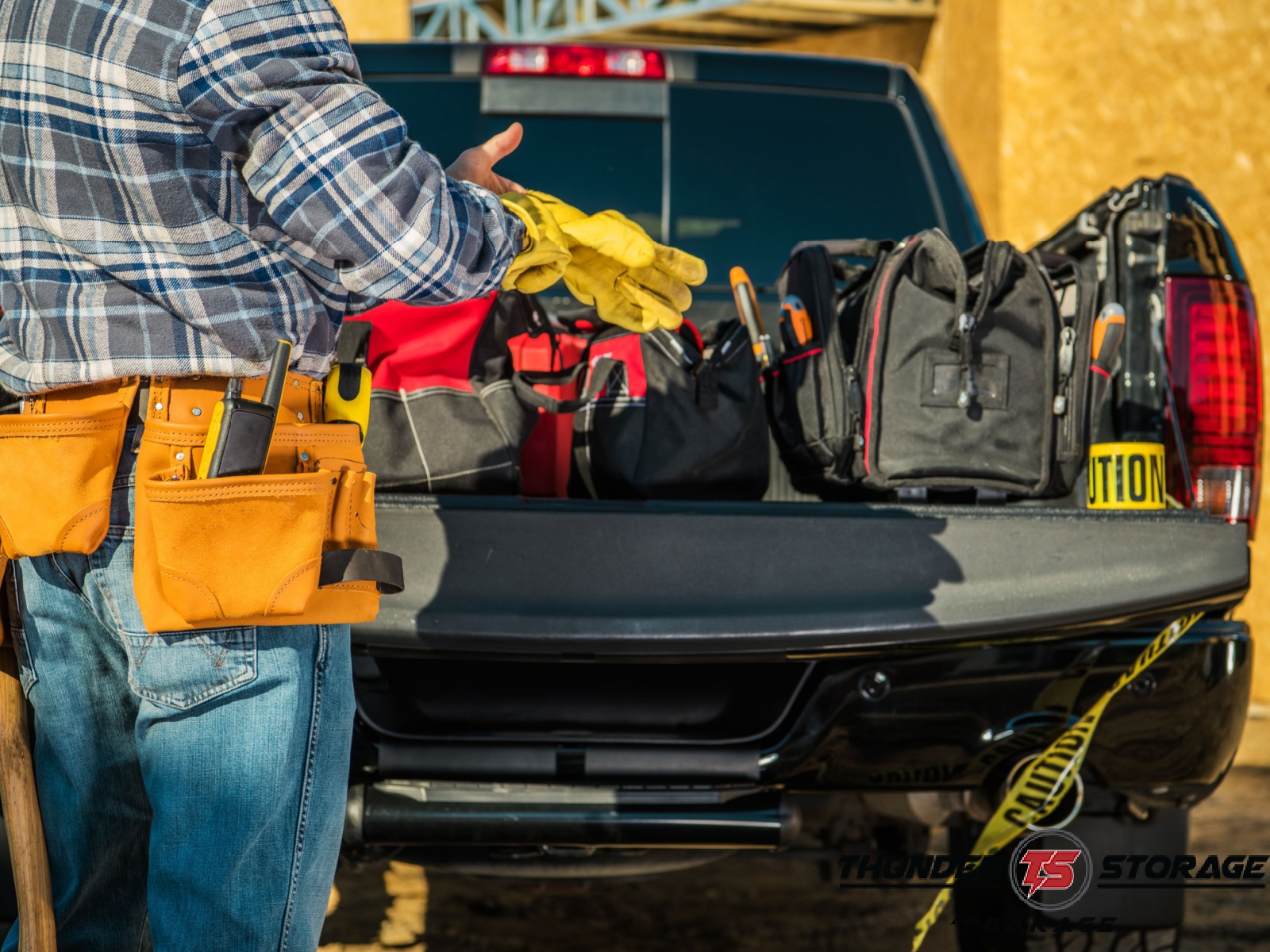
Disorganized equipment is easier to misplace. Employees may assume an item is at another jobsite or in another vehicle, allowing a missing tool to go unnoticed. Businesses may even purchase duplicate equipment because nobody can quickly determine what is already available.

Using an equipment and tool storage area as a centralized location can support a more consistent inventory system. Frequently used items can remain accessible, while seasonal or specialized equipment can be stored separately.

Businesses can also maintain their own inventory records showing which equipment is in storage, assigned to a vehicle, or being used at a jobsite. The storage facility provides the physical space, while the company maintains responsibility for tracking and managing its property.

Accessibility Matters for Working Businesses

Highly secure storage is not especially useful if retrieving equipment creates a major disruption every morning.

Businesses should consider how often employees need stored items and what type of vehicle will be used to transport them. Contractors or service companies may need to retrieve equipment early in the day and return it after completing a project. Others may only access specialized equipment occasionally.

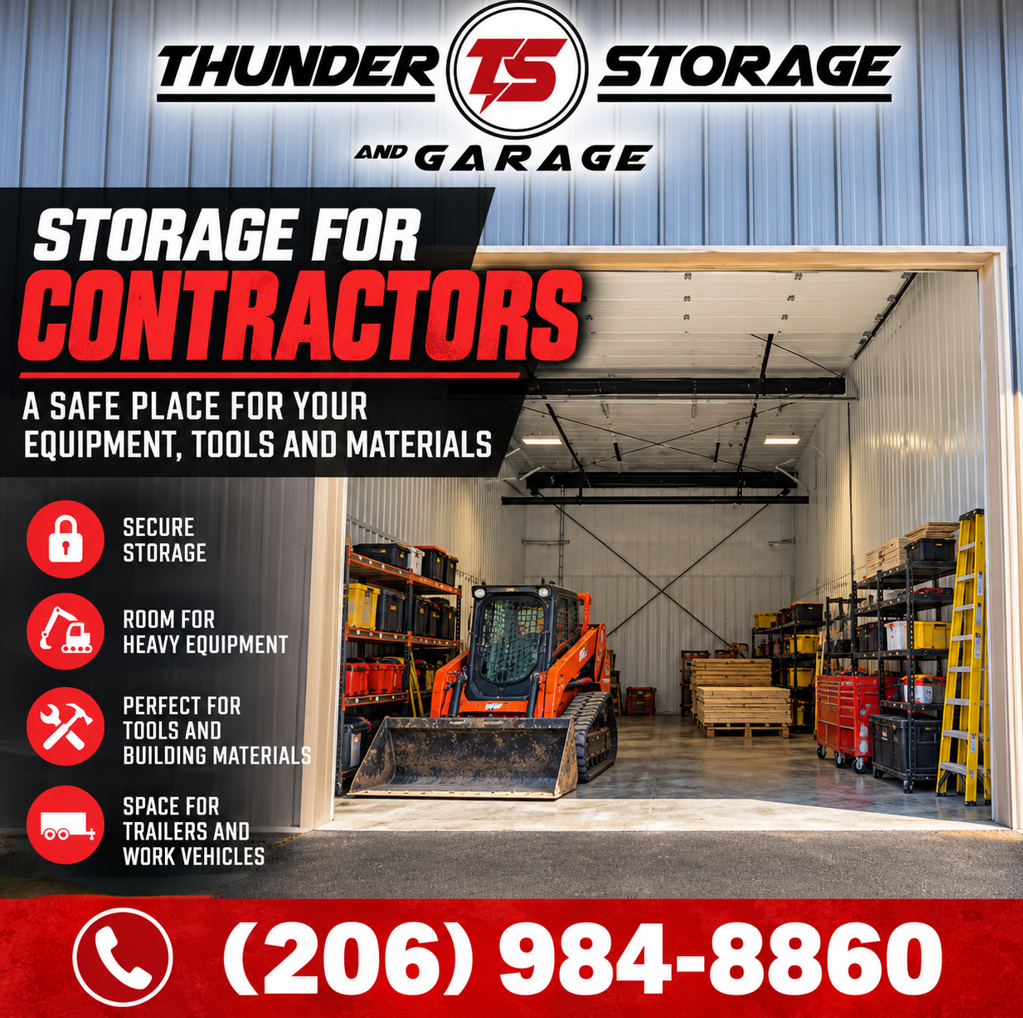
Drive-up or garage-style storage can be particularly useful for bulky items because it can reduce the distance equipment needs to be carried.

Think about the entire process. Can the work vehicle approach the storage area comfortably? Is there enough room to load or unload equipment? Can larger items pass through the entrance? Will commonly used equipment remain accessible after the space is filled?

These practical questions can determine whether a rental supports business operations or creates another logistical problem.

Compare Dedicated Storage With Common Alternatives

Business owners sometimes keep equipment at home because it seems convenient and inexpensive. That approach may work temporarily, but a residential garage can quickly become crowded as the company acquires more tools, supplies, and equipment.

Keeping equipment in work vehicles provides convenient access but can leave valuable property in the vehicle when it is not being used. Vehicle storage can also consume cargo capacity needed for other materials.

Jobsites present different concerns. Leaving equipment at a project may reduce transportation time, but the business has less direct control over the surrounding environment when employees are not present.

A dedicated secure storage options arrangement separates equipment storage from homes, vehicles, and temporary work locations. Businesses can then decide which items genuinely need to travel each day instead of carrying everything simply because there is nowhere else to put it.

Frequently Asked Questions

Why should businesses use a dedicated equipment storage facility?

Dedicated storage can provide a centralized location for tools, equipment, supplies, and other business property while reducing unnecessary exposure associated with leaving valuable items in vehicles, at jobsites, or in overcrowded work areas.

Can equipment storage help with inventory management?

Yes. Keeping equipment in a designated location can make it easier for businesses to establish inventory procedures, organize different categories of property, and notice when an item has not been returned.

What should I look for when storing valuable business equipment?

Consider facility security features, access procedures, available space, entrance dimensions, vehicle maneuverability, rental terms, and how easily employees can retrieve the equipment they need.

How much storage space does a business need for equipment?

The appropriate amount depends on the size and quantity of equipment, how frequently items are accessed, and anticipated growth. Businesses should leave enough room to organize and retrieve property without repeatedly moving everything in the space.

The Right Amount of Space Can Improve Inventory Control

Renting too little space can undermine the organizational benefits of professional storage. When equipment is packed tightly from wall to wall, employees may need to move several items just to retrieve one tool from the back.

Before choosing a rental, businesses should estimate how much equipment they currently have and whether that inventory is likely to increase.

Consider floor space as well as height, entrance dimensions, and clearance around larger equipment. Creating logical areas for different categories of property can make retrieval faster. For example, frequently used equipment can remain closer to the entrance while specialized or seasonal items occupy less-accessible areas.

Businesses evaluating storage and warehouse rental options should choose space based on usable capacity rather than square footage alone. A slightly larger, well-organized rental may be more functional than a smaller space that requires constant rearranging.

Establish a Consistent Equipment Routine

Storage works best when employees follow a predictable process.

A business can designate where specific categories of equipment belong and establish procedures for removing and returning valuable items. Inventory numbers, sign-out records, or other internal tracking methods can help management know when equipment leaves storage and who is using it.

The storage provider does not replace a company’s own asset-management procedures. Instead, dedicated space can make those procedures easier to maintain.

This distinction becomes increasingly important as a business grows. A small company may initially know where every tool is simply because only a few employees use them. Once additional crews, vehicles, and projects are involved, informal tracking becomes less reliable.

When Should a Business Consider Dedicated Equipment Storage?

Several signs can indicate that the current storage arrangement is no longer working.

Equipment that routinely stays in vehicles overnight, valuable tools scattered among multiple locations, overcrowded business premises, difficulty locating items, and an inability to keep accurate inventory are all reasons to reconsider how property is stored.

Growing businesses may also need additional space before they need a larger office, shop, or commercial building. Renting dedicated storage can address the immediate space requirement without forcing the company to acquire more operational real estate solely for equipment.

The key is selecting storage based on the company’s actual workflow. Consider what will be stored, how frequently it will be accessed, who needs access, and how items will move between the storage space and active jobs.

Give Business Equipment a Dedicated Place

Valuable business property should not be shuffled between vehicles, garages, and jobsites simply because there is no designated place for it. Centralized storage can help reduce unnecessary theft exposure, improve organization, support inventory management, and make it easier for employees to locate the equipment required for each project.

If your Fircrest-area business has outgrown its current storage arrangement and you are looking for an equipment storage facility with space for tools, equipment, supplies, or other business property, call Thunder Storage & Garage at (206) 984-8860 to discuss available rental options and find storage that better supports your operation.

Flexible Storage & Warehouse Solutions for Your Needs

How an Equipment Storage Facility Protects Assets

Business equipment can represent a substantial investment, but finding a secure and practical place to keep it is not always easy. For contractors, service providers, small-business owners, and other professionals in the Fircrest area, an equipment storage facility can provide dedicated space away from crowded garages, jobsites, offices, and other locations that may not be well-suited for valuable business property. The right storage environment can help reduce unnecessary exposure to theft while making equipment easier to organize, locate, and access when it is needed.

Storage should do more than move equipment out of sight. Businesses need to consider security, accessibility, available space, organization, and how the facility fits into daily operations. A well-chosen rental space can support both asset protection and more efficient equipment management.

Why Equipment Storage Deserves More Attention

Equipment can gradually end up scattered across multiple locations as a business grows. Some tools stay in work vehicles, larger items remain at jobsites, and less-frequently used equipment gets pushed into garages or back rooms.

That arrangement can make inventory difficult to manage. It may also leave valuable property in places that were never intended for long-term business storage.

Dedicated business storage rentals can give a company a central location for equipment that does not need to remain in a vehicle or at an active project. Centralization can make it easier to know what the business owns, where each item is located, and what needs to be prepared for an upcoming job.

Better organization also makes unusual activity easier to spot. When equipment has an established storage location, a missing item is more likely to be noticed promptly.

Storage Can Reduce Unnecessary Theft Exposure

Portable equipment is attractive to thieves because many items can be moved quickly and may have significant resale value. Leaving business property visible in an open truck bed, trailer, temporary jobsite, driveway, or unsecured work area can create avoidable exposure.

Moving equipment into dedicated storage creates another physical barrier between the property and the general public.

When comparing facilities, Fircrest business owners should ask how customer access is controlled and what security features are present on the property. Lighting, facility access procedures, individual storage-space security, and general property management all deserve consideration.

No storage provider can promise that theft will never occur. Businesses should be cautious about any claim suggesting otherwise. The objective is to choose a storage arrangement that reduces unnecessary exposure and provides a more controlled environment than leaving equipment in vulnerable locations.

Organization Is Part of Equipment Protection

How an Equipment Storage Facility Protects Assets

Security receives much of the attention, but organization is another important part of protecting business assets.

Disorganized equipment is easier to misplace. Employees may assume an item is at another jobsite or in another vehicle, allowing a missing tool to go unnoticed. Businesses may even purchase duplicate equipment because nobody can quickly determine what is already available.

Using an equipment and tool storage area as a centralized location can support a more consistent inventory system. Frequently used items can remain accessible, while seasonal or specialized equipment can be stored separately.

Businesses can also maintain their own inventory records showing which equipment is in storage, assigned to a vehicle, or being used at a jobsite. The storage facility provides the physical space, while the company maintains responsibility for tracking and managing its property.

Accessibility Matters for Working Businesses

Highly secure storage is not especially useful if retrieving equipment creates a major disruption every morning.

Businesses should consider how often employees need stored items and what type of vehicle will be used to transport them. Contractors or service companies may need to retrieve equipment early in the day and return it after completing a project. Others may only access specialized equipment occasionally.

Drive-up or garage-style storage can be particularly useful for bulky items because it can reduce the distance equipment needs to be carried.

Think about the entire process. Can the work vehicle approach the storage area comfortably? Is there enough room to load or unload equipment? Can larger items pass through the entrance? Will commonly used equipment remain accessible after the space is filled?

These practical questions can determine whether a rental supports business operations or creates another logistical problem.

Compare Dedicated Storage With Common Alternatives

Business owners sometimes keep equipment at home because it seems convenient and inexpensive. That approach may work temporarily, but a residential garage can quickly become crowded as the company acquires more tools, supplies, and equipment.

Keeping equipment in work vehicles provides convenient access but can leave valuable property in the vehicle when it is not being used. Vehicle storage can also consume cargo capacity needed for other materials.

Jobsites present different concerns. Leaving equipment at a project may reduce transportation time, but the business has less direct control over the surrounding environment when employees are not present.

A dedicated secure storage options arrangement separates equipment storage from homes, vehicles, and temporary work locations. Businesses can then decide which items genuinely need to travel each day instead of carrying everything simply because there is nowhere else to put it.

Frequently Asked Questions

Why should businesses use a dedicated equipment storage facility?

Dedicated storage can provide a centralized location for tools, equipment, supplies, and other business property while reducing unnecessary exposure associated with leaving valuable items in vehicles, at jobsites, or in overcrowded work areas.

Can equipment storage help with inventory management?

Yes. Keeping equipment in a designated location can make it easier for businesses to establish inventory procedures, organize different categories of property, and notice when an item has not been returned.

What should I look for when storing valuable business equipment?

Consider facility security features, access procedures, available space, entrance dimensions, vehicle maneuverability, rental terms, and how easily employees can retrieve the equipment they need.

How much storage space does a business need for equipment?

The appropriate amount depends on the size and quantity of equipment, how frequently items are accessed, and anticipated growth. Businesses should leave enough room to organize and retrieve property without repeatedly moving everything in the space.

The Right Amount of Space Can Improve Inventory Control

Renting too little space can undermine the organizational benefits of professional storage. When equipment is packed tightly from wall to wall, employees may need to move several items just to retrieve one tool from the back.

Before choosing a rental, businesses should estimate how much equipment they currently have and whether that inventory is likely to increase.

Consider floor space as well as height, entrance dimensions, and clearance around larger equipment. Creating logical areas for different categories of property can make retrieval faster. For example, frequently used equipment can remain closer to the entrance while specialized or seasonal items occupy less-accessible areas.

Businesses evaluating storage and warehouse rental options should choose space based on usable capacity rather than square footage alone. A slightly larger, well-organized rental may be more functional than a smaller space that requires constant rearranging.

Establish a Consistent Equipment Routine

Storage works best when employees follow a predictable process.

A business can designate where specific categories of equipment belong and establish procedures for removing and returning valuable items. Inventory numbers, sign-out records, or other internal tracking methods can help management know when equipment leaves storage and who is using it.

The storage provider does not replace a company’s own asset-management procedures. Instead, dedicated space can make those procedures easier to maintain.

This distinction becomes increasingly important as a business grows. A small company may initially know where every tool is simply because only a few employees use them. Once additional crews, vehicles, and projects are involved, informal tracking becomes less reliable.

When Should a Business Consider Dedicated Equipment Storage?

Several signs can indicate that the current storage arrangement is no longer working.

Equipment that routinely stays in vehicles overnight, valuable tools scattered among multiple locations, overcrowded business premises, difficulty locating items, and an inability to keep accurate inventory are all reasons to reconsider how property is stored.

Growing businesses may also need additional space before they need a larger office, shop, or commercial building. Renting dedicated storage can address the immediate space requirement without forcing the company to acquire more operational real estate solely for equipment.

The key is selecting storage based on the company’s actual workflow. Consider what will be stored, how frequently it will be accessed, who needs access, and how items will move between the storage space and active jobs.

Give Business Equipment a Dedicated Place

Valuable business property should not be shuffled between vehicles, garages, and jobsites simply because there is no designated place for it. Centralized storage can help reduce unnecessary theft exposure, improve organization, support inventory management, and make it easier for employees to locate the equipment required for each project.

If your Fircrest-area business has outgrown its current storage arrangement and you are looking for an equipment storage facility with space for tools, equipment, supplies, or other business property, call Thunder Storage & Garage at (206) 984-8860 to discuss available rental options and find storage that better supports your operation.

Storage & Warehouse Options

We offer 29 premium spaces available in two sizes to accommodate a wide range of needs:

1,300 Sq. Ft. Units

Ideal for smaller operations, vehicle storage, commercial or personal workshops.

1,500 Sq. Ft. Units

Perfect for larger storage needs, business inventory, or workspace setups.

Whether you're a business needing a flexible warehouse space or an outdoor enthusiast looking for a secure place to store your toys, our facilities are designed for convenience, security, and accessibility.

Contact Us Today!
Get Started Today
Looking for a secure and spacious storage or warehouse solution? Contact us today to reserve your space and take advantage of flexible rental options designed to meet your needs.